Academics & Curriculum Study Programs
Bachelor of Electrical Engineering
Study Program’s Vision
To become an integrity-driven, professional, and entrepreneurially minded technological higher education institution at the Southeast Asian level.
Study Program’s Mission
- To develop and produce graduates in the field of Electrical Engineering who have a national perspective, respect plurality, uphold the nation’s morality, and possess noble character.
- To develop and produce graduates in the field of Electrical Engineering who are ethical, professional, and possess entrepreneurial skills that can meet the demands of the global job market in the industrial sector and the needs of the wider community, particularly in the field of design.
- To be the driving force behind the development and application of science, technology, and art in the field of Electrical Engineering.
- Expanding mutually beneficial cooperation and networks within and outside the country based on the values of integrity, professionalism, and entrepreneurship.
Graduate Profile
Electronic Technology Designers/Engineers who are proficient in the following fields:
- Computer Systems
- Telecommunication
- Biomedical
- Robotics
- Automation
- Artificial Intelligent (AI)
- Internet of Things (IoT)
- Metaverse Electrical Engineer
Learning Outcomes
- Able to design a model concept using electrical engineering knowledge as a final project, competition entry, or other achievement.
- Able to design software and hardware for systems and subsystems professionally, ethically, and with an entrepreneurial spirit.
- Able to apply, produce, or evaluate concepts in robotics, metaverse, and Internet of Things (IoT) design.
Course
1st Semester
- LINEAR ALGEBRA MATHEMATICS & VECTOR ANALYSIS
- CALCULUS I
- STATISTICS & PROBABILITY
- ELECTRICITY & MAGNETISM
- ELECTRICAL CIRCUIT
2nd Semester
- CALCULUS II
- LINEAR PROGRAMMING MATHEMATICS
- WAVE, SOUND & OPTICS PHYSICS
- BASICS OF MULTIMEDIA COMMUNICATION
- BASICS OF PROGRAMMING
3rd Semester
- LOGIC CIRCUIT
- NUMERICAL TRANSFORMATION & ANALYSIS
- BASICS OF DISCRETE & INTEGRATED ELECTRONICS
- ALGORITHMS & DATA STRUCTURE
- MICROPROCESSOR
- PHYSICS MECHANICS & HEAT
4th Semester
- RELIGION
- PANCASILA
- CITIZENSHIP
- BAHASA INDONESIA
- INTERFACE TECHNIQUES [PPE2]
- ANALOG & DIGITAL COMMUNICATION SYSTEMS
- RESEARCH METHODOLOGY & PROFESSIONAL ETHICS
5th Semester
- CONTROL SYSTEMS AND APPLICATIONS
- DIGITAL SIGNAL PROCESSING
- SENSORS & AUTOMATION
- COMMUNICATION AND INFORMATION NETWORK TECHNOLOGY
- PLC APPLICATIONS
6th Semester
- COMPUTER PLATFORM
- AUTONOMOUS ROBOTS & APPLICATIONS
- APPLICATION PROGRAMMING & ENTREPRENEURSHIP
- SIGNAL TRANSMISSION SYSTEM
Semester 7
- INTERNSHIP/WORK EXPERIENCE PREPARATION
- IMPLEMENTATION OF INTERNSHIPS/WORK EXPERIENCE
- INTERNSHIP/WORK EXPERIENCE EVALUATION AND REPORT
- INTERNSHIP/WORK EXPERIENCE PUBLICATION
8th Semester
- FINAL THESIS
- FINAL THESIS METHOD: DESIGN & RESEARCH
Facility
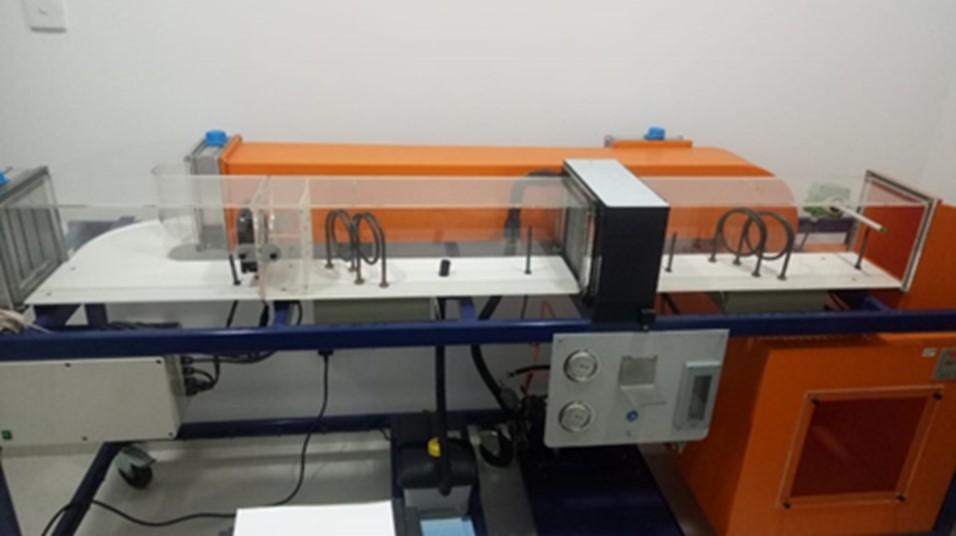
Armfield Recirculation Air Unit
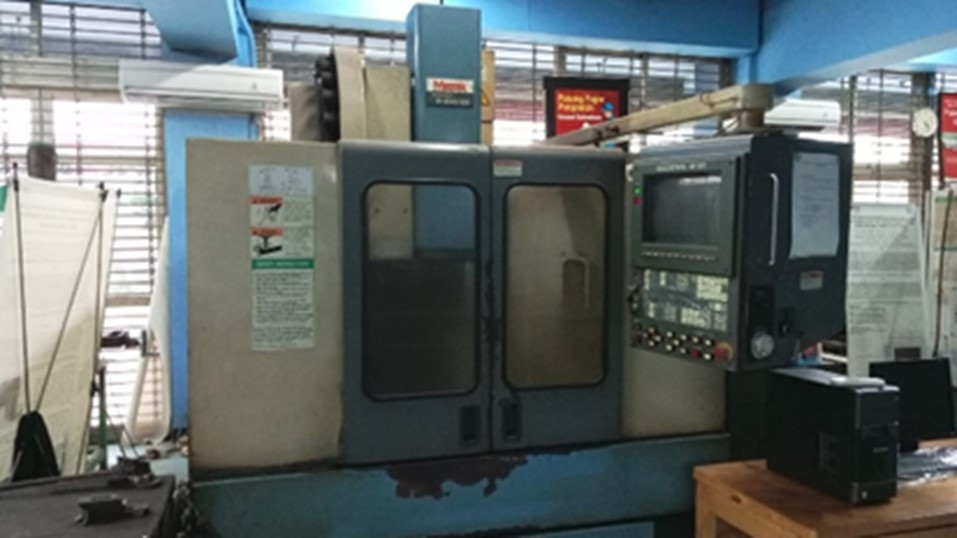
CNC Machining Center
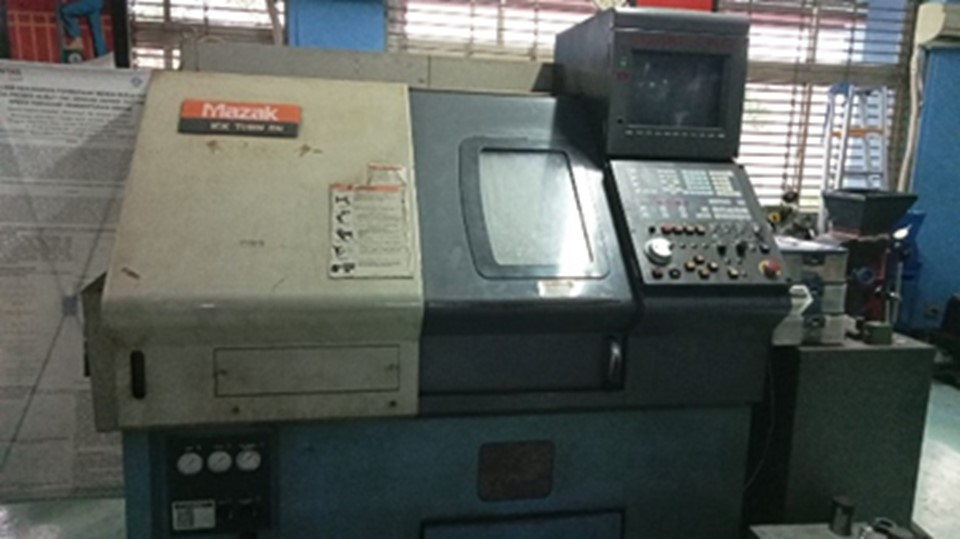
CNC Lathe
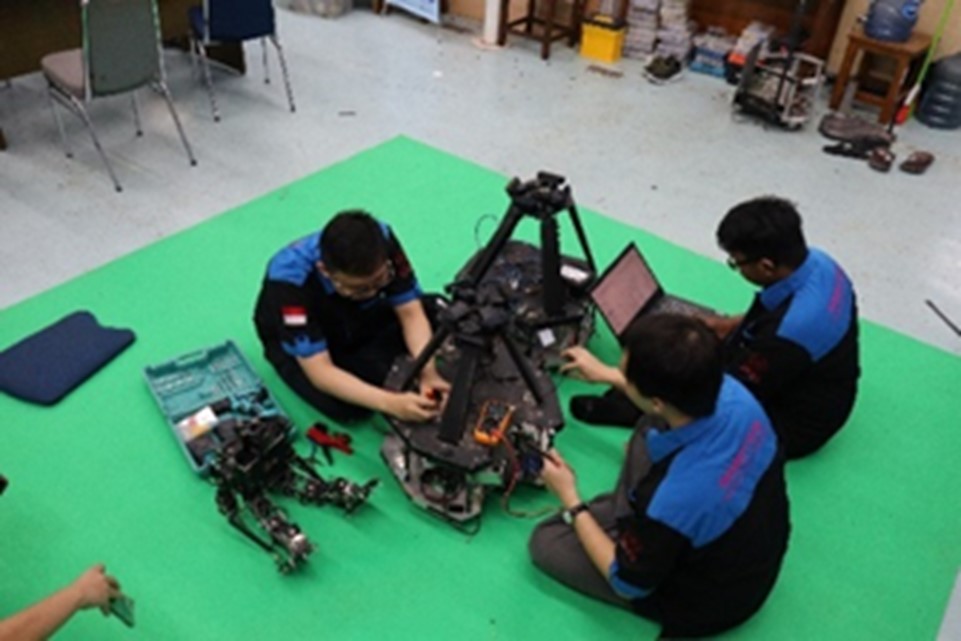
Workshop Robotic
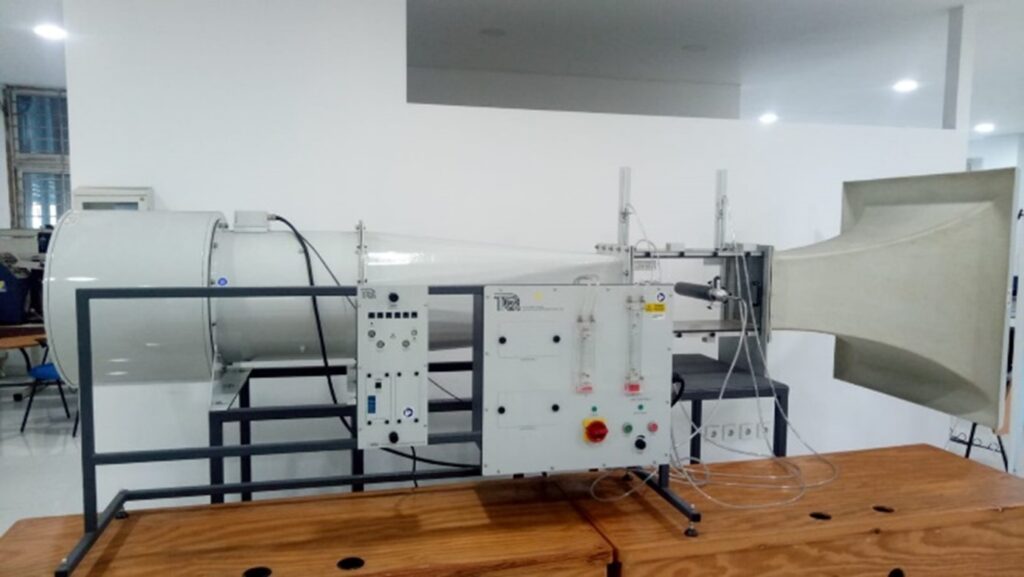
Wind Tunnel TecQuipment
Latest News