Academics & Curriculum Study Programs
Bachelor of Architecture
Study Program’s Vision
To achieve a Bachelor of Architecture Study Program that produces graduates with an entrepreneurial spirit, integrity and professionalism, who are active, ethical, and highly competitive both domestically and internationally.
Study Program’s Mission
1. To produce graduates who are entrepreneurs with integrity and professionalism.
2. To produce graduates who have the ability to design buildings in a metropolitan context.
3. To provide architectural education that meets the needs and developments of the times.
4. Fostering pride and confidence among students and graduates by improving the quality of human resources, facilities, and activities in the field of architecture.
5. Disseminating and contributing architectural ideas to the professional world through collaboration with government agencies, private institutions, and other organizations.
6. Bringing the work and ideas of the architecture study program closer to the wider community through community service activities.
Graduate Profile
Innovative and visionary technopreneurs through the application of complex engineering sciences in mechanical design and automation
Learning Outcomes
Statement of Position
S1. Integrity in performing work in accordance with one’s field of expertise
S2. Performing work professionally.
S3. Having the awareness to adapt to the times with an entrepreneurial spirit.
Formulation of Knowledge
P1. Engaging in lifelong learning.
P2. Understanding mechanical principles in the mechanical design process as the basis for a complete and continuous engineering process.
P3. Have the insight to develop oneself based on the profession and engineering ethics in their field of science and stakeholders.
P4. Having the awareness to contribute to the application of engineering knowledge in society.
General Skills Formulation
KU1. Able to apply logical, critical, systematic, and innovative thinking in the context of developing or implementing science and technology, making appropriate and responsible decisions, and solving problems by applying humanities values in accordance with their field of expertise, based on the analysis of information and data, in order to demonstrate high-quality and measurable individual or group performance.
KU2. Able to manage data well, assess the implications of scientific and technological development or implementation in order to compile scientific descriptions in the form of scientific reports or theses and publish them free from plagiarism.
KU3. Able to work in multidisciplinary or multicultural teams, communicate effectively, conduct self-evaluation of work groups, manage independent learning, maintain and develop work networks.
Specific Skill Formulation
KK1. Able to adapt to technological developments in accordance with their field of expertise on an ongoing basis.
KK2. Able to apply scientific and mechanical engineering knowledge to complex engineering problems both individually and in groups, and able to communicate with stakeholders in a professional, ethical manner that is integrated with entrepreneurial principles.
KK3. Able to apply, produce, or evaluate mechanical design concepts that are integrated with information technology and sustainable environmental aspects in accordance with stakeholder needs.
Curriculum Map
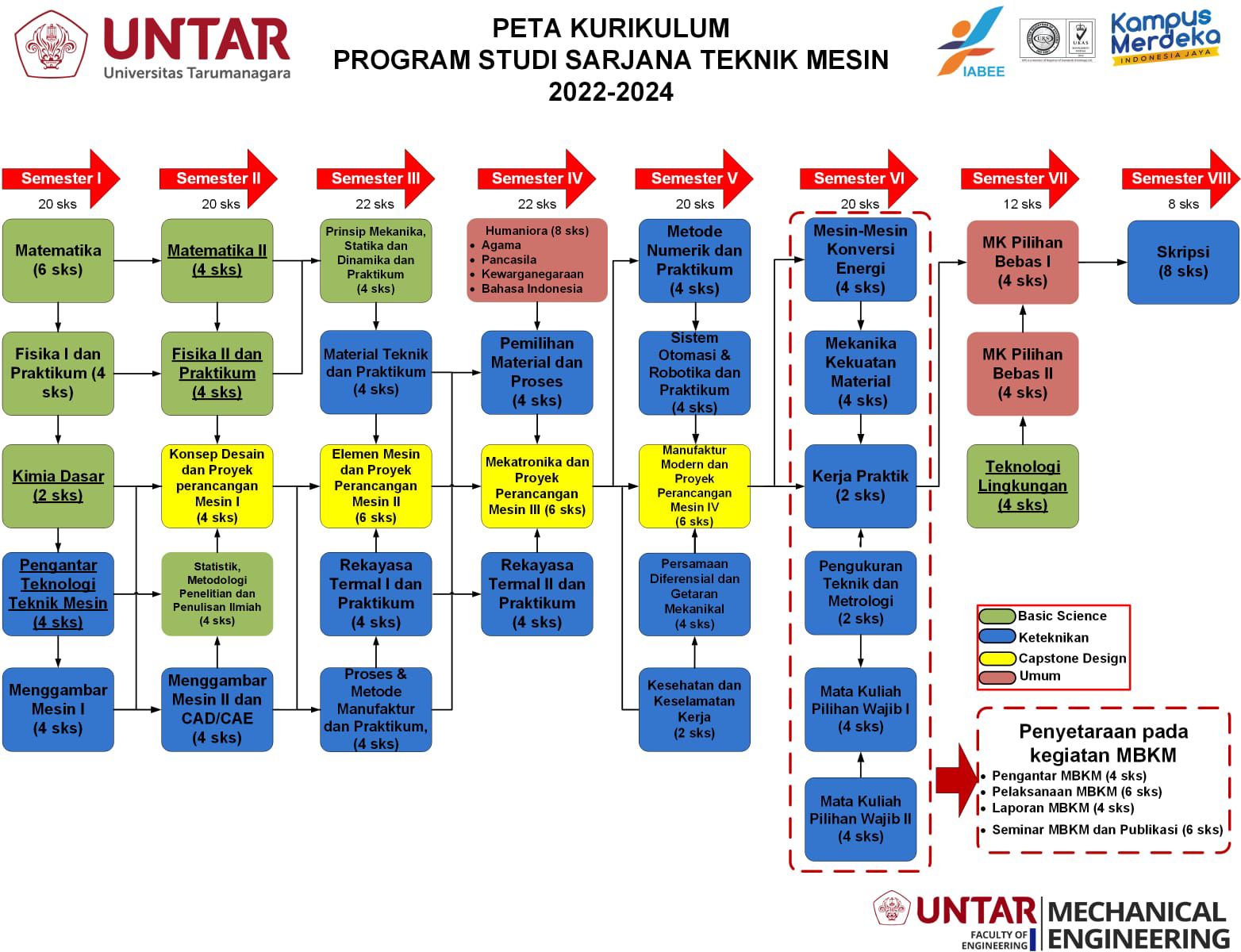
Course
1st Semester
- Physics I and Practicum
- Mathematics
- Introduction to Mechanical Engineering Technology
- Machine Drawing I
- Basic Chemistry
2nd Semester
- Mathematics II
- Design Concepts and Machine Design Projects I
- Physics II and Practicum
- Statistics, Research Methodology, and Scientific Writing
- Machine Drawing II and CAD/CAE
3rd Semester
- Principles of Mechanics, Statics & Dynamics and Practicum
- Engineering Materials and Practicum
- Thermal Engineering I and Practicum
- Machine Elements and Machine Design Project II
- Manufacturing Processes & Methods and Practicum
4th Semester
- Humaniora
- Material Selection and Process
- Thermal Engineering II and Practicum
- Mechatronics and Machine Design Project III
5th Semester
- Automation & Robotics Systems
- Modern Manufacturing and Machine Design Project IV
- Numerical Methods and Practicum
- Differential Equations and Mechanical Vibrations
- Occupational Health and Safety
6th Semester
- Energy Conversion Machine
- Mechanics of Materials
- Practical Work
- Technical Measurement and Metrology
- Required Elective Course I
Required Elective Course II
Semester 7
- Elective Courses
- Cross-Program Courses
- Environmental Technology
8th Semester
- Final Thesis
Facility
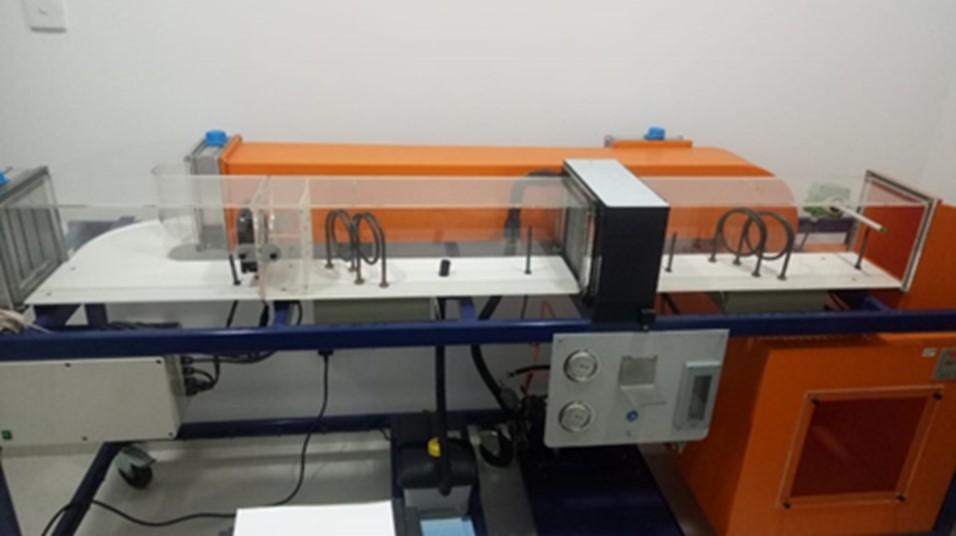
Armfield Recirculation Air Unit
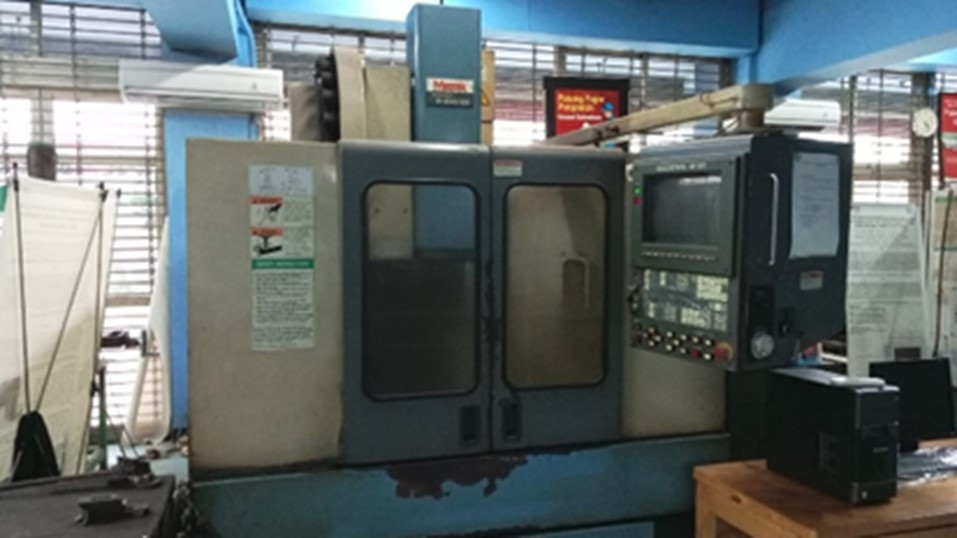
CNC Machining Center
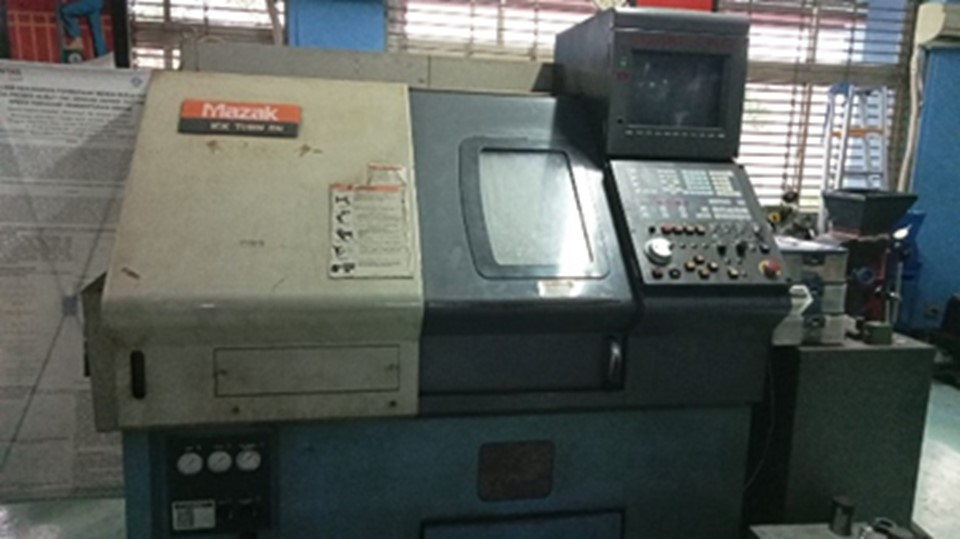
CNC Lathe
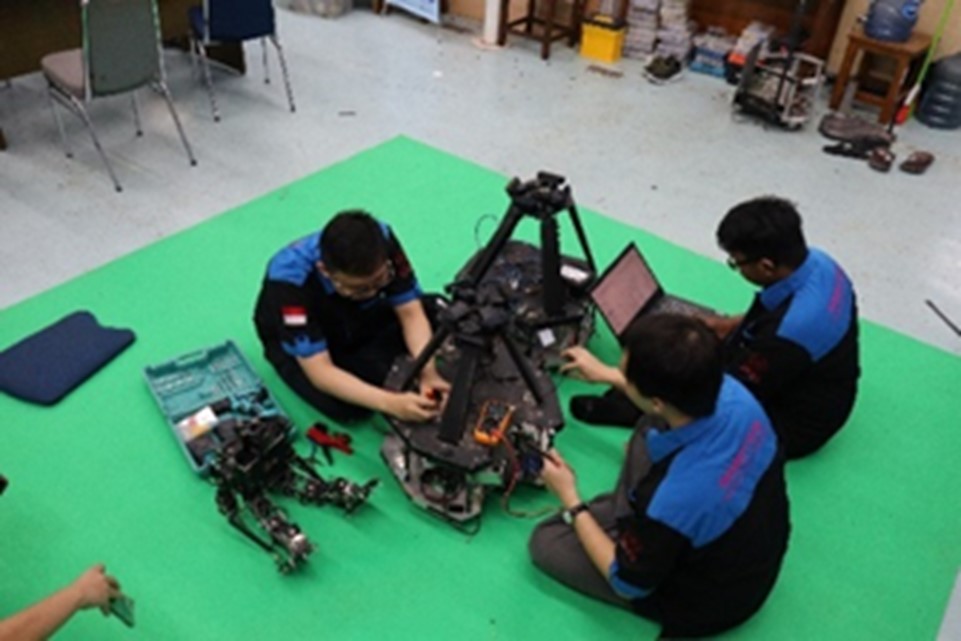
Workshop Robotic
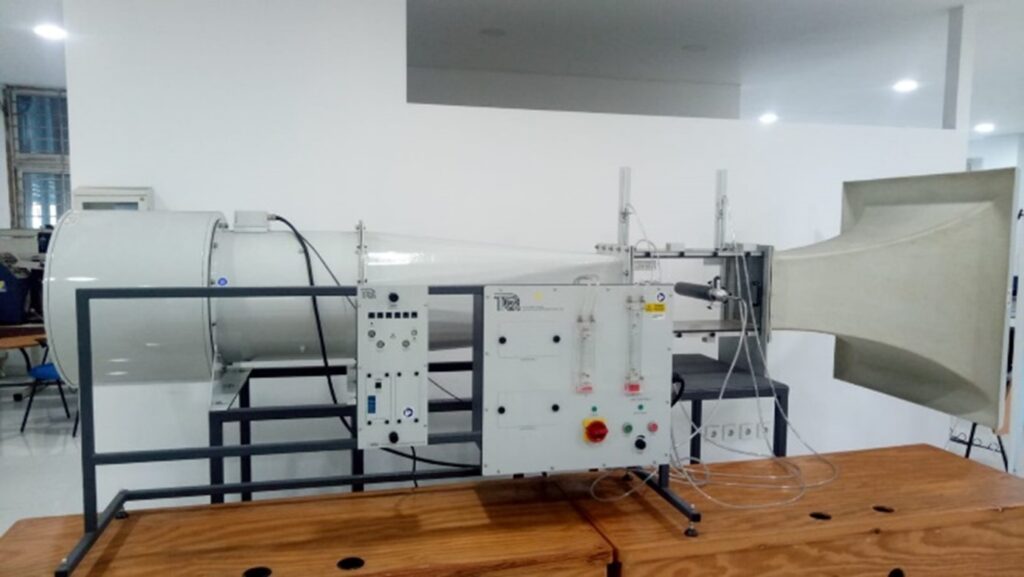
Wind Tunnel TecQuipment
Latest News